Pots, Panels and Packing Cases: A Renter’s Garden That Comes With You
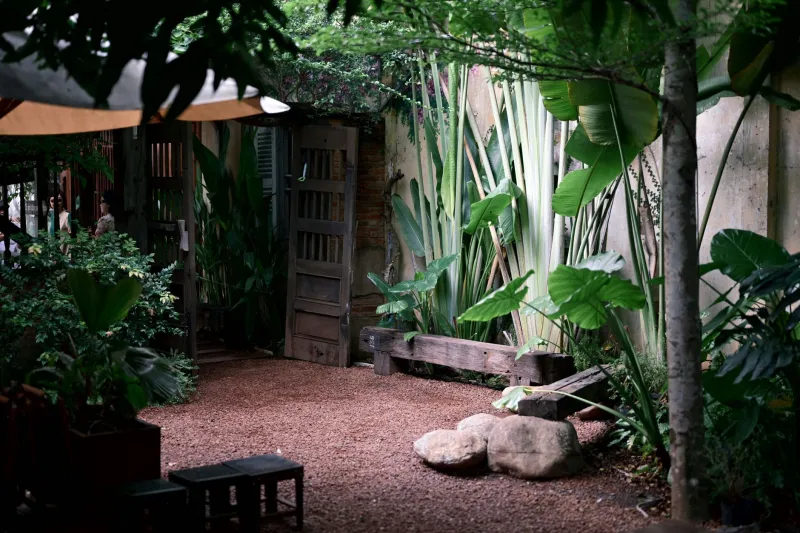
Photo: UK rented courtyard garden with large potted plants freestanding trellis and outdoor chair, via ourstar.org.uk
There’s a particular kind of UK garden brief that doesn’t get enough airtime: the one that begins with “we rent, and we’ll probably move in two years.” It’s usually followed by a shrug, a resigned glance at the landlord’s grey paving, and the assumption that anything beautiful must wait until you own a place. That’s a shame. A garden doesn’t need to be permanent to be good. In fact, designing for impermanence can make you sharper, more intentional and more creative.
Think of it as the packing-case garden. Everything has to earn its place, but nothing has to be boring. You are not decorating a borrowed patio with apology plants. You are designing a proper outdoor room that happens to be demountable.
Start with the lease, not the lawn
Before you fall for a beautiful oak raised bed or a wall-mounted trellis, read the tenancy agreement. Most UK assured shorthold tenancies ask you to keep the garden reasonably tidy and not make structural changes without permission. That doesn’t mean you can’t garden. It means you design around the things you can’t undo: drilling into brickwork, laying permanent paving, removing hedges, or digging up lawns.
Measure the space properly, including door widths and the route from the street to the back garden. A gorgeous pot that won’t fit through the side return is just an expensive obstacle. Then decide where the sun falls, where the wind bites, and where you actually want to sit. Renters often inherit odd little courtyards, narrow side strips and balconies with a surprising amount of shelter. Work with what’s there rather than fighting it.
Let pots do the architecture
In a reversible garden, containers are not accessories. They are the walls, the focal points and the structure. A row of matching large pots can define a seating area more elegantly than a fixed screen. A cluster of tall evergreens can give privacy at eye level without blocking light. A single generous pot with a small tree — think Acer campestre, Amelanchier or a compact olive in a sheltered spot — can make a rented patio feel settled within a season.
Use the biggest pots you can reasonably move, and put them on pot feet or wheeled saucers. Cheap, light compost mixed with garden soil or loam-based compost holds moisture better than pure multipurpose, especially in a hot spell. Group pots closely so they shade each other and create a microclimate. Repeat the same pot shape or colour two or three times; repetition is what makes a collection look designed rather than accumulated.
Raised beds with feet
You can grow vegetables, herbs and cut flowers without digging a single border. Wooden or metal raised beds on legs, or shallow beds standing on paving, give you the joy of a kitchen garden with none of the permanent footprint. Line the base, add drainage holes, and fill with a good peat-free compost mix. Salad leaves, herbs, strawberries, dwarf beans and chard all do well in 30–40cm of depth.
If you want something bigger, choose a modular raised bed that bolts together and can be taken apart. Put it on a gravel tray or a sheet of heavy-duty membrane rather than fixing it down. Come moving day, it becomes a flat pack again. The compost can go to a neighbour or into the new garden’s pots.
Screens that stand up for themselves
Privacy is often the first thing renters need and the last thing they’re allowed to build. Freestanding trellis panels, slatted screens with weighted feet, and simple timber frames with climbing plants can transform a overlooked patio without a single wall fixing. Look for screens with a proper base or use heavy planters to anchor them. In exposed UK gardens, wind is the real test: a light panel that catches the breeze will take off. Choose sturdy frames and keep the sail area small.
Climbers in pots are ideal here. A jasmine, a climbing rose or a hops plant can soften a plain fence and give you scent in the evening. Keep the pot generous and the support simple. When you leave, the whole thing can go in the van.
Floors that lift, edges that forgive
Ground-level choices matter if you want to leave barely a trace. Avoid permanent decking, set-in edging and anything that requires cutting into the patio. Clip-together deck tiles, outdoor rugs, gravel trays and loose-laid pavers can all create a change of surface without committing. If you have bare soil, keep it covered with pots, bark mulch or a temporary path of stepping stones rather than digging new beds.
This is also where good gardening manners come in. Keep the lawn mown, the gutters clear and the pots watered. A rented garden that looks cared for is more likely to get a fair hearing if you ask for permission to do something modest.
Plant for the move, not just the moment
Some plants travel better than others. Herbs, ferns, grasses, bulbs in pots and compact shrubs with fibrous roots are all forgiving. Avoid anything with a long taproot or a deep dislike of disturbance. Divide perennials in autumn and pot up the offsets. Take cuttings of favourite pelargoniums and mint. Label your pots so you know what’s what when you unpack.
Think of your planting as a collection rather than a composition. That way, losing a pot or two to a hard winter or a clumsy move doesn’t undo the whole scheme. It also means your next garden starts with mature plants and a bit of history.
Make temporary feel intentional
A reversible garden can still look resolved. Pick a limited colour palette for pots and furniture. Use one repeated plant shape — spires, domes or grasses — to pull the eye through the space. Hide the plastic where you can, and let one or two good pieces do the work of many mediocre ones. Solar lights, a folding table and a comfortable chair will do more for the atmosphere than another novelty ornament.
The leaving-day test is simple: walk out of the back door and ask what would come with you. If the answer is most of it, you’ve designed well. A rented garden is not a rehearsal for the real thing. It’s the real thing, for now, and that’s more than enough.