When the Lawn Goes, the Garden Begins: Turning Tired Turf into a Wildlife-Friendly Border
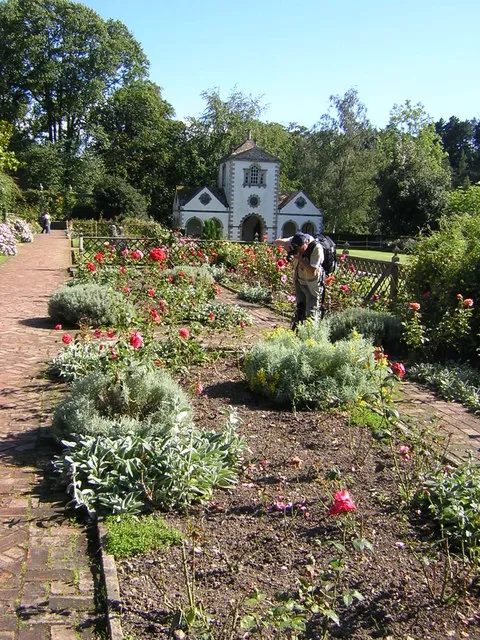
Photo: rob bishop, CC BY-SA 2.0, via Wikimedia Commons
There is a moment in every lawn-to-border project when the turf comes up and the garden looks worse than it did before. The grass is gone, the soil is bare, and the neighbours are probably wondering what you are doing. Then the plants go in, the mulch goes down, and by the following spring the garden has a completely different character. This is the story of one such transformation, and a practical guide for anyone thinking of swapping their lawn for something more layered.
The before: a lawn that had stopped working
The plot was a typical UK back garden: about 55m² of lawn, surrounded by narrow borders and a shed. The soil was heavy clay that held water in winter and cracked in summer. Moss had moved in, the grass was thin under the trees, and mowing was a weekly chore from March to October. The owners wanted colour, less mowing and more wildlife. They did not want a wildflower meadow, because they still wanted the garden to look intentional from the kitchen window.
Why a layered border makes sense
A lawn is not a neutral default. It needs feeding, watering, edging and mowing. A well-designed border, by contrast, can be lower-maintenance once it is established, especially if you choose the right plants for your soil and light. A layered border also offers more habitat: nectar for pollinators, seedheads for birds, and shelter for insects. It gives you colour in every season, not just the green months. And it can make a small garden feel larger, because the eye is drawn through different heights and textures rather than across a flat plane.
Preparing the ground: the unglamorous bit
This is where most lawn-to-border projects succeed or fail. Start by marking out the new border with a hose or string line. You do not have to remove all the lawn at once. A good compromise is to take out a generous curved bed and keep a smaller lawn for sitting or play. If you are removing turf, cut it in strips and stack it upside down in a corner. It will rot down into decent topsoil in about a year.
Next, deal with compaction. On clay soils, fork over the area to break up the pan, but do not over-dig. Add a generous layer of organic matter, such as well-rotted manure or garden compost, and fork it into the top 15cm. If drainage is poor, consider a raised bed or a shallow French drain. Test the pH with a simple kit; most UK borders sit between 6.0 and 7.5, but it is worth knowing. Finally, set a solid edge, such as timber, steel or brick, to separate the border from any remaining grass and to keep mulch in place.
Planting for succession: colour every month
The goal is not a border that looks the same all year. It is a border that has something happening in every season. Think in layers: bulbs and ground cover at the front, perennials in the middle, shrubs and small trees at the back.
In spring, start with snowdrops, daffodils and tulips, then hellebores and wallflowers. In late spring, alliums and early geraniums bridge the gap. Summer brings salvias, verbenas, achilleas and ornamental grasses. Autumn is the time for asters, sedums and the fading seedheads that birds love. Winter structure comes from evergreen shrubs, coloured stems such as cornus, and the skeletal shapes of grasses left standing until spring.
For wildlife, choose single flowers rather than double varieties, because they are easier for pollinators to access. Leave seedheads in place over winter, and add a small log pile or insect hotel in a corner. A shallow dish of water is more useful than a deep birdbath for insects and small birds.
Budget: where the money goes
Costs vary hugely depending on whether you do the work yourself or bring in a landscaper. For a DIY border of around 20m², budget £600 to £1,200 for turf removal, compost, edging, plants and mulch. Buying smaller plants in 9cm pots is cheaper and they often catch up within a season or two. A professional installation for a 30–40m² border might cost £2,500 to £5,000, including labour, soil improvement and planting.
Do not spend the whole budget on plants. Soil preparation and mulch matter more in the first year. A good layer of bark mulch suppresses weeds and conserves moisture. Borrow or hire tools where you can, and check local council green waste schemes for compost. If money is tight, phase the project: remove the turf this autumn, improve the soil, plant the structural shrubs and trees, then add perennials over the next two seasons.
Step-by-step: from turf to border
- Measure and mark the new border with string or a hose. Keep a clear route through the garden.
- Remove the turf, stack it upside down to compost, and fork over the compacted soil.
- Add organic matter and grit if drainage is poor. Firm gently and water if the soil is dusty.
- Set a durable edge to separate the border from paths or remaining lawn.
- Plant structural shrubs and small trees first, then perennials, then bulbs.
- Water everything in well, even if rain is forecast.
- Mulch with a 5–7cm layer of bark or compost, keeping it away from stems.
- Water regularly for the first season, then reduce as plants establish.
- Leave seedheads and stems over winter, and cut back in early spring.
- Top up mulch annually and divide perennials every few years to keep them vigorous.
The after: less mowing, more looking
The following summer, the same garden had a soft, layered border instead of a patchy lawn. The clay soil was still clay, but the mulch and compost had improved its structure. Bees worked the salvia and verbena, birds visited the seedheads, and the owners spent less time mowing and more time sitting. It was not maintenance-free: there was watering in the first year and cutting back in spring. But the garden had gone from a green rectangle to a place with depth, colour and a bit more life.
If your lawn is tired, you do not have to replace all of it. Start with a generous border, improve the soil properly, and plant in layers. The garden will look worse for a week or two, and then it will start to look like somewhere you want to be.