What the Weeds Already Know: Letting Your Soil Write the Planting Plan
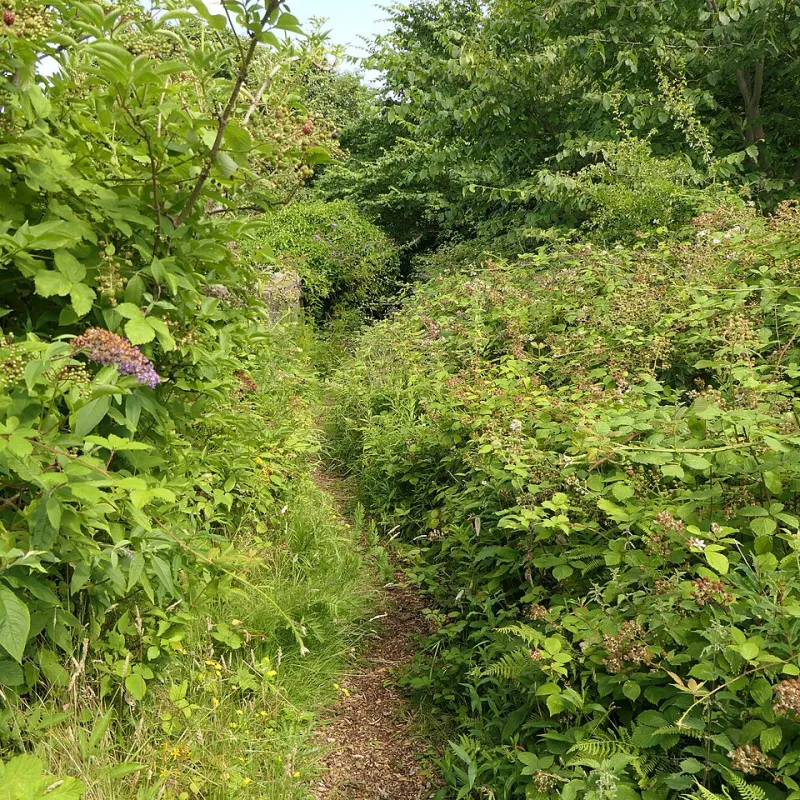
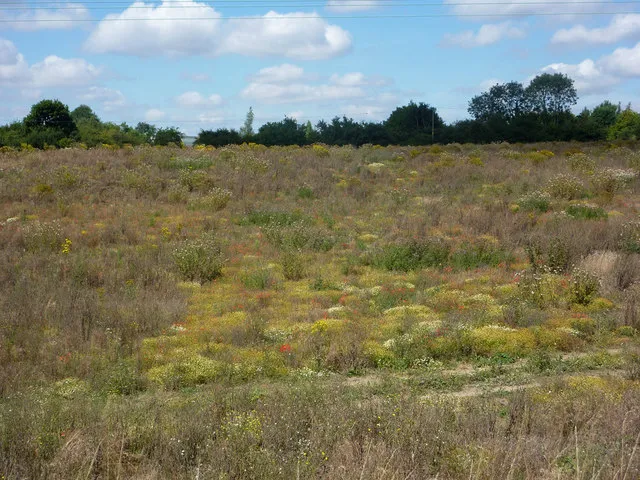
Photo: Richard Webb , CC BY-SA 2.0, via Wikimedia Commons
Most of us are taught to see weeds as a problem to be solved. Nettles in the border, moss on the lawn, daisies in the gravel – out they come. But before you reach for the fork, it is worth pausing. Those plants are not random. They are a rough, free, slightly scruffy soil survey, and they have been running quietly all along.
Reading weeds is not a substitute for a proper soil test if you are dealing with contamination, drainage disasters or a big build. But as a design exercise, it is brilliant. It tells you where the ground is wet, where it is compacted, where it is rich and where it is thin. And once you know that, you can stop treating your soil as an inconvenience to be corrected and start treating it as the brief.
Start with a slow walk, not a spade
Pick a dry day and walk the garden without secateurs in hand. Look at the plants nobody planted. Note where they are thickest, where they are stunted, where the moss gives way to turf and where the turf gives way to mud. Take photos. Draw a rough map, even if it is just a scribble on the back of an envelope.
The goal is not to identify every species with scientific precision. It is to spot patterns. A patch of nettles in one corner and sheep sorrel in another is not just a weeding list – it is two different soil conditions asking for two different planting approaches.
The common clues and what they mean
Nettles usually point to soil that is rich, moist and often disturbed. They like fertility, which is why they turn up near compost heaps and old veg patches. In design terms, that is not a disaster. It suggests a spot that will suit hungry leafy crops, robust perennials and anything that does not mind a bit of richness. If you want a wildflower meadow, though, nettles are telling you the ground may be too fertile for the fine, flower-rich look – at least without reducing fertility first.
Sheep sorrel is a useful counter-signal. It often turns up on acidic, free-draining, low-fertility ground. That is a clue for acid lovers such as blueberries, heathers, pines and some ferns, and a warning that lime-loving plants may sulk. It also suggests a lighter, sharper planting palette than the lush nettle corner.
Daisies in a lawn are often read as a sign of close mowing and compacted ground. They are tough little things, happy in short turf. If they dominate, it may be a hint that the lawn is doing a lot of work – and that a lawn alternative, a chamomile seat or a tougher path edge might make more sense than fighting them forever.
Moss is the great tell-tale for damp, shade and compaction. It does not automatically mean bad drainage, but it often means slow drainage, low light or soil that has been squashed by feet and wheelbarrows. In a shady corner, moss is an invitation: ferns, hostas, wild garlic and a mossy path can be a beautiful answer. In a lawn that should be dry and open, it is a prompt to aerate, improve drainage and reconsider the use of that space.
Plantain and buttercup are worth watching too. Plantain often appears where ground is compacted and walked on, which makes it a useful clue for where paths want to go or where a raised bed would take the pressure off. Buttercup tends to enjoy damp, heavy ground, so it is a hint that moisture-loving planting – or a rain garden – may be more successful than a Mediterranean border.
Fertility is a dial, not a verdict
One of the most useful things weeds tell you is how fertile your soil is. Rich ground grows lush, leafy plants quickly. Thin ground grows slower, tighter, more modest plants. Neither is better. They are just different design palettes.
If your garden is telling you it is fertile, you can lean into that with a productive potager, leafy greens, roses and generous perennials. If it is telling you it is lean and free-draining, do not automatically dump a load of compost on it and expect wildflowers to thank you. Many meadow flowers actually prefer poorer ground, where they are not outcompeted by grass and nettles. Matching the planting to the fertility is far more sustainable than trying to bend every corner to the same ideal.
Drainage and compaction: the hard-landscaping clues
Weeds are also useful for thinking about hard landscaping. A corner that grows moss, rushes or buttercup is probably not the place for a sealed patio without some thought. It might be the perfect spot for a permeable gravel path, a raised deck, a rain garden or a planted swale. A patch of plantain where everyone cuts the corner is telling you something about desire lines – and maybe where a proper path should have been all along.
This is where reading the ground saves money. Instead of laying paving and watching it puddle, or building a border and watching plants rot, you can let the soil direct the layout. Wet corner? Make it a feature with moisture-loving plants and a gently recessed bed. Compacted strip? Put the path there, or break it up with a raised planter. The garden starts to agree with itself.
Light, shade and the limits of the method
Weeds are less precise about light than about moisture and fertility, but they still help. Moss and woodland plants suggest shade. Daisies and sorrel often suggest more open, sunnier ground. Use those clues alongside your own observations of where the sun sits at different times of day, especially in winter when low light changes the feel of a garden.
And do be sensible. If you are planning a big build, dealing with a wet basement or gardening on suspect ground, get proper advice. Weeds are a starting point, not a certificate. But for most ordinary UK gardens, they are a good enough first draft.
Turn the reading into a plan
Once you have walked, noted and mapped, divide the garden into rough zones. The fertile, moist corner might become the productive bed. The sunny, lean strip might become a meadow edge or a gravel garden. The shady, mossy area might become a fern and hosta pocket. The compacted path might become an actual path, built properly.
Then choose plants that suit those conditions rather than plants you like in a photograph. That is not a compromise. It is how you get a garden that settles in quickly, needs less watering and feeding, and looks like it belongs there. The weeds have already done the site analysis. All you have to do is listen.