Four Seasons Before Lunch: Designing a Garden for the British Day

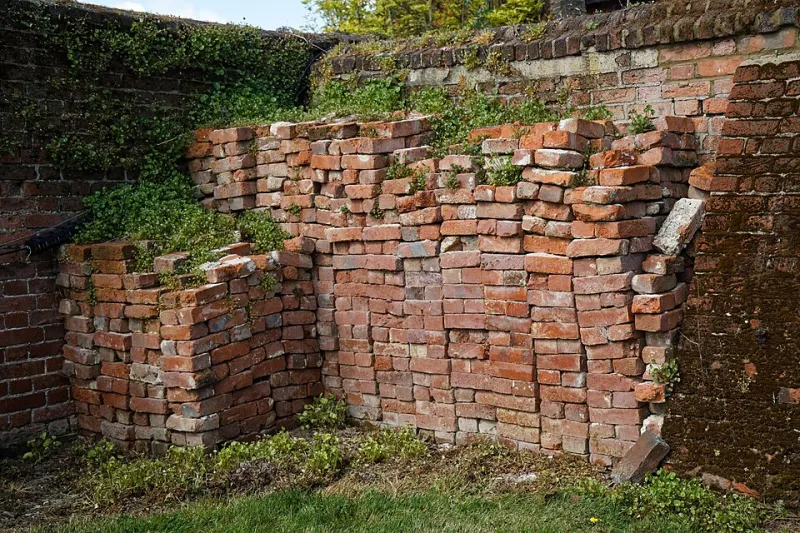
Photo: Ed of the South , CC BY-SA 2.0, via Wikimedia Commons
British weather doesn’t arrive in seasons. It arrives in moods. You can start the morning scraping ice off the car, eat lunch outside in a T-shirt, and rescue the washing from a horizontal downpour by three. Designing a garden around the perfect Saturday in July is therefore a bit like buying a car based on how it looks in a showroom. The real test is the ordinary Tuesday — the grey, gusty, mildly damp Tuesday when you still want to step outside, put a mug on the step, and feel better for it.
At Fusion Garden Creations, we think the most useful question in garden design isn’t ‘what will this look like in high summer?’ It’s ‘what will this feel like in drizzle?’ Here’s how to build a garden for the weather you’ll actually get.
Design for the Day, Not the Postcard
Most garden inspiration is photographed in golden light, on a still evening, after a dry week. That’s lovely, but it’s a postcard. A garden that only works in sunshine is a stage set; a garden that works in rain, wind and sudden glare is a home. That shift changes priorities. Shelter matters as much as sun. Surfaces matter as much as planting. And the view from the kitchen window matters more than the view from the end of the lawn.
Start by watching how weather moves through your space. Note where wind funnels between the house and the fence. Note where water pools after heavy rain. Note where the sun actually sits at four o’clock in October, rather than where you imagine it sits in June. Ten minutes with a notebook on a wet day will teach you more than a hundred sunny-day mood boards.
Shelter That Handles a Gust, Not Just a Heatwave
Wind is the UK’s quiet garden thief. It steals warmth from a sunny afternoon, shreds delicate leaves, and makes a perfectly nice bench unusable for half the year. A solid panel fence looks tidy, but it can create turbulence on the sheltered side — the wind hits it, dumps over the top, and swirls around your ankles. A permeable windbreak is usually better: a hedge, a slatted screen, or a woven hurdle that filters the wind rather than stopping it dead. Aim for something around fifty per cent open. Your plants will thank you, and so will your shoulders.
Placement matters more than height. Shelter the place where you sit, not the whole plot. A corner with two sides of protection — a wall and a hedge, say — feels calmer than an exposed spot with a six-foot fence. A small pergola with a slatted roof can take the edge off both wind and rain without turning the garden into a tunnel. And don’t forget the wind that comes around the house; a strategically placed shrub or planter can break that flow before it reaches the patio.
Surfaces That Forgive Wet Feet
A wet garden usually fails at the threshold. If the path is slippery, the lawn is a swamp, and the patio holds an inch of water, nobody goes out. Paths should be firm, free-draining and grippy underfoot. Gravel is cheap and forgiving, though it needs edging and the occasional top-up. Resin-bound gravel is smoother for wheels and bare feet. Clay pavers or textured stone are better than smooth porcelain when wet. Stepping stones through a border let you cross a damp bed without compacting the soil. Decking can be lovely, but shaded decking in a British winter is a skating rink waiting to happen — if you have it, keep it clean and consider a grooved or textured board.
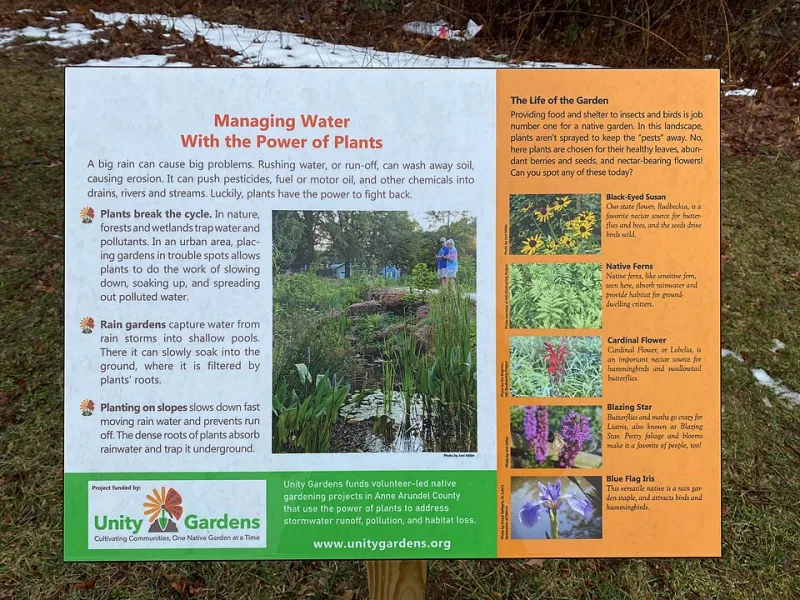
Drainage is not glamorous, but it is design. A slight fall away from the house, a gravel trench, a channel, or a planted rain garden at the low point can turn a bog into a feature. A puddle in a border is fine; a puddle on the main path is a design failure. Mulch beds generously — it stops rain splashing mud onto leaves and keeps the soil workable.
Planting That Looks Better Wet
Rain changes plants. Some sulk and turn to mush; others glow. Lean towards foliage that holds up: alchemilla, hosta, ferns, epimedium, heuchera, and grasses that bead with water rather than collapse. Sanguisorba, persicaria and verbena keep their shape in a shower. Scent is amplified by damp air, so put sarcococca, daphne, honeysuckle and lavender near the door or the seating area. Coloured stems — cornus, willow, birch — give you something to look at when the flowers are done and the light is grey.
It also helps to choose plants that move. Grasses and tall perennials that sway in a gust make a breezy day feel alive rather than merely annoying. And don’t fight the moss. In a damp, shaded corner, moss is a better carpet than most lawns.
Small Moves for Drizzle and Sudden Sun
You don’t need a full redesign to make a garden more weather-proof. A few small moves go a long way:
- A covered spot: a porch, a pergola, a shade sail, or a tiny roof over a bench.
- Somewhere dry to put a cup: a shelf, a stool, a wide armrest.
- Warm, low-level lighting and an outdoor socket for the kettle or a lamp.
- Shade for sudden sun: a deciduous tree, a parasol, or a sail that can be moved.
- A hook for a coat and a box for cushions, so a shower doesn’t end the afternoon.
- Pots that can be shifted into shelter when the forecast turns.
The View From Indoors
You will look at your garden from inside far more than you sit in it. Design the frame. Put something beautiful at the end of the sightline from the kitchen window — a pot, a bench, a tree with good bark — that works in grey light. Evergreen structure, coloured stems and a bit of sculpture earn their keep in November. The garden doesn’t have to be in full flower to be doing its job.
A Garden for Ordinary Days
The point isn’t to defeat British weather. It’s to stop designing for the exception. If your garden is inviting in a light drizzle, comfortable in a gust, and forgiving when someone forgets to take their boots off, you’ve built something better than a summer show garden. You’ve built a garden that earns its place on the calendar — not just the bank holiday.