Built for the Shade: Designing UK Gardens for Hotter Summers
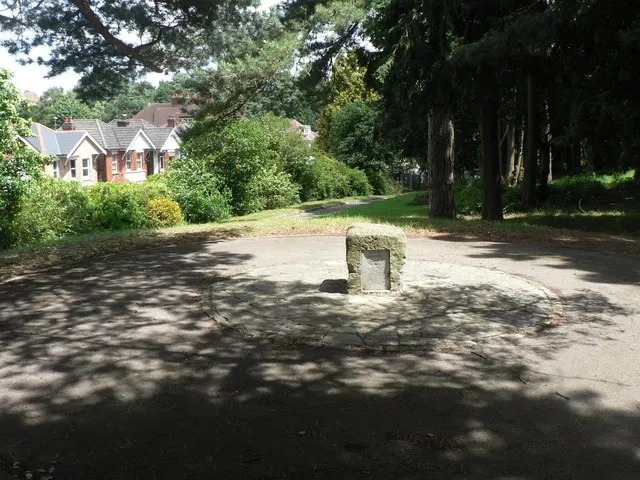
Photo: Chris Downer, CC BY-SA 2.0, via Wikimedia Commons
British gardens have spent generations designing for light. We choose south-facing plots, prune for sun and treat shade as the place where the bin store goes. The pattern of recent summers has made that assumption feel out of date. A garden that only works in soft, grey weather is a garden with a shrinking season. Shade needs to be drawn into the plan early, alongside paving, drainage and planting.
Begin with a sun map, not a shopping list
Before you buy a parasol or a tree, spend a day watching the garden. On a clear day in late spring or summer, mark where sun falls at 9am, noon and 5pm. Note the parts that stay bright until evening, the wall that holds heat, the paving that burns bare feet and the corner where you actually want to sit. Repeat the exercise in winter, because a deciduous tree that shades a patio in July will let light through in January. A simple pencil plan is more useful than a phone app; the point is to see the garden as a moving pattern of light and heat, not a static rectangle.
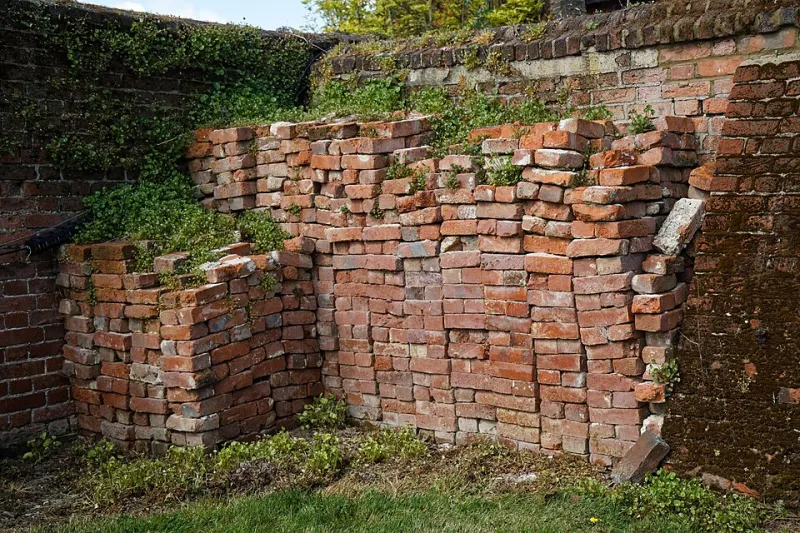
Pay attention to surfaces as well as sky. A south-facing brick wall, a dark fence or a large area of paving will radiate heat long after the sun has moved on. The hottest spot in the garden is often not the sunniest one; it is the one with no air movement and a hard surface storing warmth. Shade that ignores these microclimates can leave you with a cool-looking corner that is still uncomfortable.
Four kinds of shade, four different jobs
Trees are the slowest and most valuable form of shade. A well-chosen tree cools the air around it, provides habitat and gives dappled light rather than a hard blackout. In a small UK garden, look at field maple, hornbeam, crab apple or a multi-stem birch; in a larger plot, a mature oak or lime is a long-term investment. Check the ultimate size and root spread, and plant it where it will not crowd the house or the neighbour's boundary. The best tree is the one that has room to become itself.
Pergolas give immediate architecture. They define a seating area, frame a view and provide a frame for climbers. A slatted timber roof gives dappled shade; a solid roof gives deeper shade but can feel heavy. In a small garden, a pergola can make a patio feel like an outdoor room. In a larger one, it can break up a long view. The planting matters as much as the timber: a grape vine, a climbing rose or a wisteria will take two or three years to cover, so plan for the gap.
Sail shades are the quickest fix. They are tensioned fabric panels, fixed to posts or walls, and they can be taken down in winter. They are excellent over a dining table or a small terrace where you need shade for a few hours, not all day. Choose a breathable, UV-stable fabric and fix it to something solid; a sail under tension is not a lightweight decorative object. They are less good at creating a garden room and more good at solving a specific problem.
Planted canopies — climbers over an arch, tall shrubs, fruit trees trained against a wall — are the softest option. They take time, and they need pruning, but they knit the garden together. A row of pleached trees can screen a boundary and cast shade at the same time. A mature hedge does the same, though it is slower and hungrier for water. The point is not to choose one method and reject the others. Most good gardens layer them: a tree for the long view, a pergola for the terrace, a sail for the hot week in July.
Plant the shade, not just the shadow
A shady corner is not a dead corner. It is a different habitat, with its own palette. The hardest is dry shade under a tree or beside a wall, where roots take the moisture and rain never reaches the soil. Start with tough groundcover: Geranium macrorrhizum, epimedium, Cyclamen hederifolium and ivy will cope. Add leaf mould and mulch, and water young plants through their first two summers. Do not expect hostas to thrive in bone-dry shade; they want moisture.
In damp shade, the range opens up: ferns, hostas, Brunnera, Pulmonaria, astilbe and wild garlic. In dappled shade, try hellebores, aquilegia, foxgloves and Japanese anemones. The trick is to think in layers: groundcover to cover the soil, mid-height perennials for interest, and climbers or shrubs to soften the edges. Pots can be moved into shade when a heatwave arrives, which gives you a flexible layer of colour without committing to a permanent planting scheme.
Shade planting also helps the garden as a whole. It cools the air, reduces evaporation and gives wildlife somewhere to retreat. A garden with a range of light conditions is more resilient than one that bakes evenly from fence to fence.
Keep the air moving
A shaded corner can still be airless. Leave gaps in hedges, avoid packing every inch with foliage, and keep a path or a bench where a breeze can reach. Light-coloured gravel or mulch reflects a little light and stops the space feeling like a tunnel. A small water bowl or birdbath adds movement and sound. The aim is cool, not gloomy: shade should feel like a place to linger, not a place to pass through.
Build for the shoulder seasons
Shade structures should earn their keep outside high summer. A pergola gives structure in winter, a tree gives blossom in spring and autumn colour, and a hedge gives a green backdrop for months. A sail shade is seasonal by design, so store it properly and check the fixings each spring. If you are planting a tree for shade, choose one that also gives something else: fruit, autumn colour, scent or wildlife value. The best shade is multifunctional.
Water matters too. Shade reduces evaporation, but new trees and hedges still need watering through their first two years. Mulch heavily, plant in autumn where possible and group thirsty plants together. A garden designed for hotter summers is not just a garden with more shade; it is a garden that holds water in the soil and needs less intervention.
The shade plan
Shade is infrastructure. It affects where you sit, what you plant, how the garden drains and how much time you spend outside. Draw it on the plan at the same time as the path and the border. Start with the sun map, choose the structure that suits your space and budget, then plant for the conditions you have created. The result is not a garden with a parasol in the shed. It is a garden that has been built for the weather it is likely to get.