From Parking Pad to Welcome Mat: Designing a UK Front Garden That Works Harder
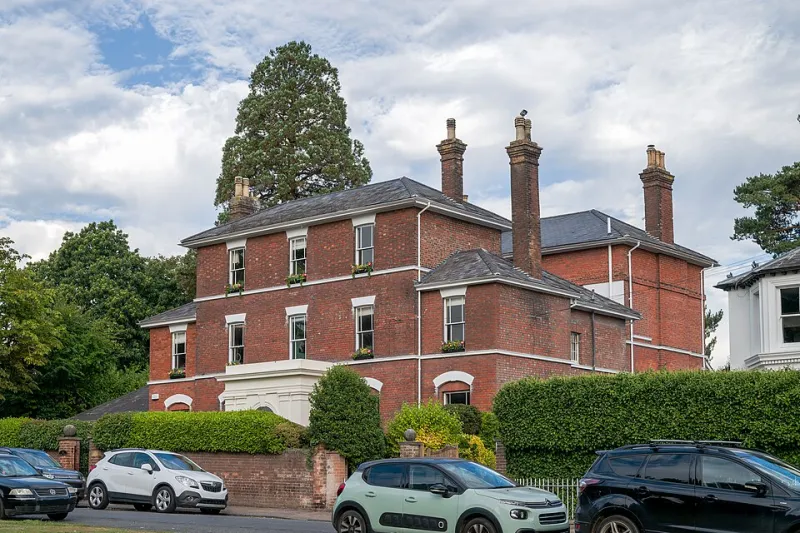
Photo: Tilman2007, CC BY-SA 4.0, via Wikimedia Commons
Most UK front gardens are asked to do a lot with very little. They have to park the car, store the bins, hide the recycling, welcome visitors, and somehow still say something about the people who live behind the door. Too often the result is a patch of gravel, a lonely wheelie bin, and a path that feels like an afterthought. But a front garden doesn’t have to choose between practical and beautiful. With a bit of design thinking, it can be both.
Start with the jobs it has to do
Before you sketch a single planting plan, watch how the space is actually used. Where does the car go? Which way does the front door face? Where do deliveries land? Is there a step that catches everyone out? Measuring and observing for a week or two will save a lot of expensive guesswork. A front garden that works is a front garden that gets used, and that means understanding the daily routine before you choose a single paver.
Make parking part of the design
Parking is usually the elephant in the front garden. Rather than pretending it isn’t there, treat the parking bay as a designed element. Permeable block paving, resin-bound gravel, or reinforced gravel grids can give you a firm surface without turning the whole plot into a car park. A change of material can mark the bay clearly, while a low hedge or a strip of planting along the boundary softens the edges.
In the UK, front garden parking often needs a dropped kerb and council approval, and permeable surfaces help with surface water runoff. It’s worth checking local guidance early. A simple SuDS-friendly approach — letting rain soak away rather than running straight into the drain — is both practical and quietly satisfying.
Privacy without the fortress look
Front gardens are overlooked by neighbours, passers-by, and the occasional delivery driver. The instinct is to build a wall and hide. A better approach is layered screening. A low wall or a sturdy hedge gives a sense of enclosure without blocking light. Multi-stem trees, tall grasses, and evergreen shrubs can create privacy at eye level while still letting the house feel connected to the street.
Check planning rules for front walls and hedges before you commit. In many cases you won’t need permission for a low boundary feature, but height limits and conservation areas can catch you out. A well-planted front garden can also improve security simply by making the house look cared for.
The path is the invitation
The path from pavement to front door is the handshake of the whole design. Make it generous enough for two people to pass, or for a pram and a delivery box. A gentle curve can soften a rigid terraced frontage, while a straight path suits a formal Victorian or Edwardian house. Repeat the paving material elsewhere — perhaps as a parking edge or a small seating area — so the space feels considered rather than cobbled together.
Planting for biodiversity and low maintenance
A front garden can be a small wildlife corridor without becoming a meadow. Choose plants that earn their keep: nectar-rich perennials, spring bulbs, evergreen structure, and drought-tolerant herbs. Lavender, rosemary, sedum, hellebores, and ornamental grasses cope with UK weather and look good for months. Add a few native plants if you want to support pollinators, but don’t feel you have to turn the whole plot into a wildflower patch.
The trick is to plant in layers and repeat a few key plants. Repetition makes a small space look intentional and makes maintenance easier. Mulch well, group thirsty plants together, and accept that a front garden doesn’t need to be perfect. A little looseness is part of its charm.
Lighting that says welcome
Good front garden lighting is subtle. Warm, low-level lights along the path, a discreet wall light by the door, or a solar spotlight on a multi-stem tree can make the house feel welcoming after dark. Avoid glaring security lights that dazzle visitors and annoy neighbours. Sensors and timers are your friends. The goal is guidance and atmosphere, not a runway.
Bin storage that disappears
Bins are a fact of life. A slatted timber screen, a low hedge, or a purpose-built store can hide them without making them the centrepiece. Leave enough space to wheel them out easily, and make sure the lid can open. If space is tight, a simple cross-laminated screen with climbing plants can do a lot of heavy lifting for very little money.
Pull it together with a simple palette
A front garden doesn’t need to be a showcase of every idea you’ve ever liked. Choose a limited palette of materials and repeat them. Pick three or four main plants and let them do the heavy lifting. Add seasonal bulbs or a pot by the door for a change of scene. The result should feel like a warm welcome, not a show garden that happens to have a car parked in it.
A front garden is one of the few bits of outdoor space most of us share with the street. It’s worth designing it as a proper part of the home — practical enough for bins and bikes, generous enough for people, and beautiful enough to make coming home feel good.