The Potager Effect: Designing a UK Kitchen Garden Where Harvests and Flowers Mix
Walk down any UK allotment site in July and you’ll see two kinds of plots. One is all neat rows, bare soil, and a slightly apologetic air. The other is a glorious jumble of climbing beans, dahlias, chard, and sweet peas, where the harvest is almost a side effect of the beauty. That second plot is the one people stop to admire. A kitchen garden can be productive and ornamental at the same time — it just needs a bit of design discipline.
Structure first, then abundance
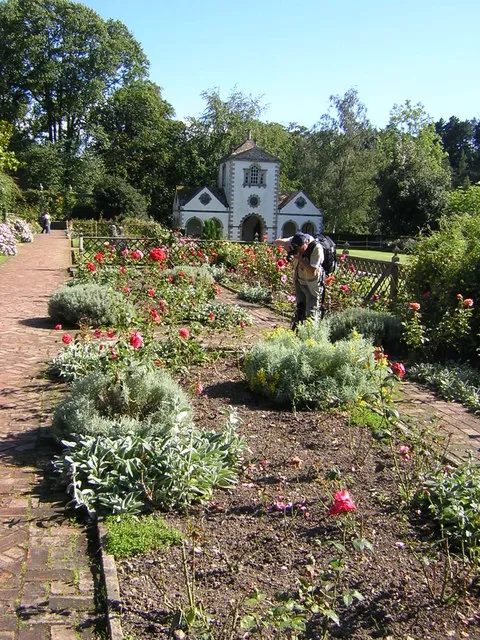
Fusion planting works best when there’s a clear framework underneath. Decide where the paths go, how wide the beds will be, and where the compost heap and water butt will live. A simple geometric layout — four beds around a central pot, a potager with edged beds, or a series of raised planters — gives the eye something to hold on to when the plants start sprawling.
Paths should be wide enough to kneel on and to wheel a barrow. In a small plot, a single generous path down the middle can make the whole space feel calmer. Repeat the same edging material throughout, and keep the shapes simple. The structure is what makes the exuberance look intentional.
The rules of good mixing
It helps to think like a flower gardener who happens to be hungry. Plant in blocks or drifts rather than lonely singles. Repeat colours and leaf shapes so the eye travels through the plot. Use foliage as a design tool: bronze fennel, red-stemmed chard, feathery carrot tops, and the big leaves of courgettes are all beautiful. Height matters too. Put tall climbers at the back or on obelisks, low herbs at the front, and medium-sized crops in between.
Companion planting is often sold on pest control, but it’s just as useful for aesthetics. Nasturtiums trail over bed edges, marigolds fill gaps, and sweet peas can share a frame with runner beans if you give them enough room. The result is a garden that looks generous rather than regimented.
Seasonal combinations that earn their space
Spring is the easiest time to make a kitchen garden look good. Purple sprouting broccoli, young kale, and overwintered leeks can be underplanted with tulips or wallflowers. The crops are still small, so the flowers do the heavy lifting. Add a few pots of mint and chives by the path and the whole plot feels alive.
Summer is the main event. Tomatoes in pots with basil and marigolds, courgettes with nasturtiums, and climbing beans on a wigwam with sweet peas at the base. If you have room for a cut-flower bed, grow cosmos, dahlias, and zinnias alongside your courgettes. They attract pollinators and give you something to take indoors after a long day of watering.
Autumn is where fusion planting really shines. Kale, cavolo nero, and leeks look good with asters, sedum, and ornamental grasses. Pumpkins can be left to ripen among the grasses, and seedheads can stay standing for birds and for structure. Winter is quieter, but evergreen herbs, rosemary, bay, and thyme keep the plot from looking empty. A few architectural cardoons or globe artichokes can carry the design through the cold months.
Containers for smaller plots
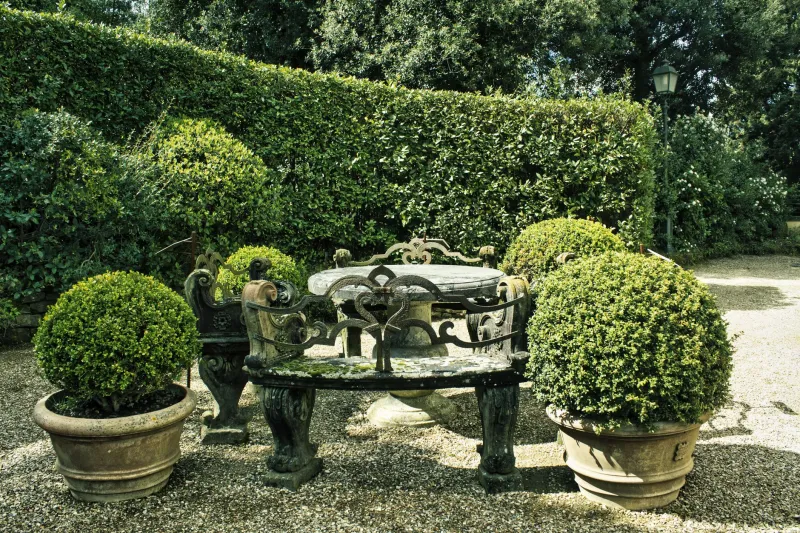
Not everyone has room for a full potager. Containers can still give you the fusion effect. Use large pots and group them in odd numbers. Plant a dwarf cherry tomato with basil and a trailing nasturtium in one pot, or salad leaves with edible violas in a shallow trough. Herbs are ideal for containers because they look good and get used. Choose a consistent colour palette for the pots — terracotta, zinc, or a single strong colour — so the collection looks deliberate rather than accidental.
Watering is the main challenge with containers, especially in a UK summer that can swing from drizzle to drought. Group pots together to shade the soil, mulch the surface, and water in the morning. A simple drip-line or self-watering pot can save a lot of guilt.
Keeping it intentional
The difference between a beautiful fusion garden and a messy one is editing. Choose a limited colour palette — say, purple, lime, and orange — and stick to it. Remove spent crops promptly, keep paths clear, and don’t let one thug plant take over. Succession sowing helps: little and often means you always have something to harvest and something to look at.
It also helps to accept a certain amount of mess. A kitchen garden is a working space, and working spaces have wheelbarrows, twine, and half-finished jobs. The trick is to contain the mess with good structure and to make the productive parts look like they belong. A pretty trug, a wooden obelisk, or a hand-painted sign can add character without much cost.
The harvest aesthetic
Ultimately, a fusion kitchen garden is about enjoying the process. It’s a garden you can eat from, but it’s also a garden you can sit in with a cup of tea and feel proud of. The harvest is the bonus; the beauty is the point. And in a UK climate that gives us slugs, rain, and the occasional heatwave, a garden that looks good and tastes good is a genuine achievement.
So next spring, don’t separate the veg patch from the flower border. Let the beans climb through the sweet peas, let the chard sit next to the dahlias, and let the plot look like somewhere you’d actually want to spend a Sunday afternoon. The allotment becomes a proper garden — and dinner gets better too.