Where Fragrance Lives: Designing a Garden That Performs After Sunset
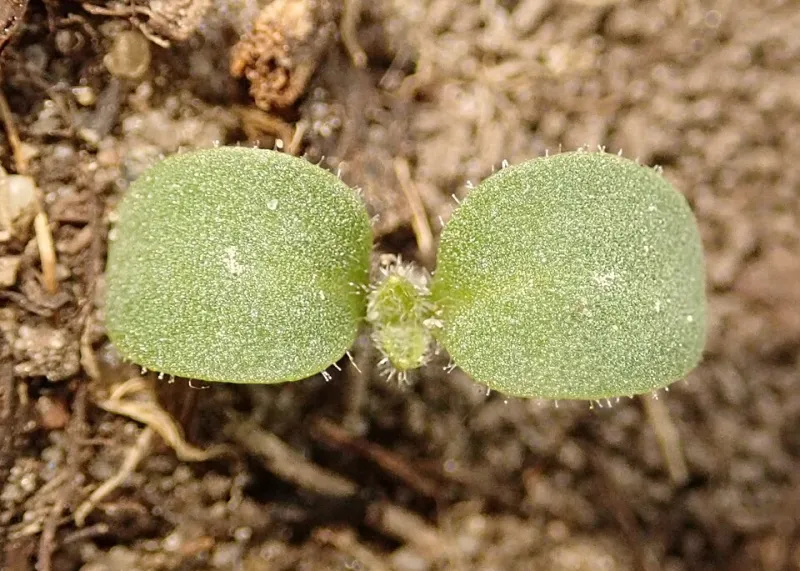
Photo: Krzysztof Ziarnek, Kenraiz, CC BY-SA 4.0, via Wikimedia Commons
Fragrance is the one part of a garden you cannot see in a photograph. It arrives after the plan—on a warm evening, after rain, or when you brush past a shrub on the way to the bin. And yet most gardens are designed as if scent were a bonus rather than a material. It is not. In a UK garden, fragrance is structural. It decides where you pause, where you sit, and whether the garden still works in February.
The idea of a scent map is simple: draw the garden as you actually use it, then plot fragrance through the year. Not one big hit in June, but a sequence of small moments. Evening scent is especially valuable because that is when we slow down. Winter scent is valuable because that is when we need the garden most.
Why dusk changes the rules
Cool, damp evening air holds scent differently. Plants that seem quiet at noon can become intense at dusk. Night-scented stock, tobacco plants and evening primrose have evolved to attract moths, so they turn up the volume after sunset. Honeysuckle and jasmine carry on the warm air. Place them where you will actually be—not at the far end of the lawn.
Shelter matters as much as the plant. A scented shrub in an exposed spot will have its fragrance whisked away. A scented shrub in a warm corner, against a wall or beside a path, will hold it. That is why the best scent gardens are often small ones. They are enclosed enough to keep the perfume where you can enjoy it.
Place scent at the threshold
Start at the door. A pot of night-scented stock by the step, a jasmine on a sheltered wall, a honeysuckle over the porch. You want fragrance when you open the door, not a wall of perfume that becomes exhausting. Choose one or two strong scents near the house, then let the rest of the garden take over.
Paths are the next opportunity. Low thymes, lavender and sweet rocket release scent when brushed. Plant them at the edge of a path, not in the middle of a border. If the path is narrow, keep the plants soft and loose so they spill without blocking the way. A raised bed or a tall pot brings scent up to nose height, which is especially useful if you are seated or if the garden is small.
Make a sheltered corner
Every garden has a sun trap or a warm corner. That is where evening scent belongs. A bench against a south- or west-facing wall, a pergola with honeysuckle, a small table and two chairs. Add a pale-flowered shrub behind the bench so the flowers catch the last light. Then plant something intensely scented at the side of the seat—not in front of it, where it will be trampled.
If you have a cold, exposed garden, create shelter first. A hedge, a fence, a robust pergola or a group of pots can make a microclimate. Fragrance travels on still, warm air. Give it somewhere to gather.
A year of scent, not a fortnight
A good scent map has gaps filled across the seasons. In late winter and early spring, Daphne bholua, winter honeysuckle, Viburnum bodnantense and Sarcococca carry the garden. These are not flashy plants, but their scent is extraordinary in cold air. Plant them near a path or door so you meet them by accident.
In spring, wallflowers, hyacinths and the first sweet rocket come in. In early summer, Philadelphus, lavender and honeysuckle take over. In high summer, night-scented stock, Nicotiana, Oenothera and phlox keep the evening going. In autumn, rosemary and the last of the lavender bridge the gap. In winter, the cycle starts again with the winter shrubs.
Do not try to plant everything at once. Choose one plant for each moment you actually use the garden: the morning coffee spot, the evening drink, the path to the shed. That is your map.
Design moves that make scent travel
Pale foliage and white flowers reflect low light. They make the garden legible after dark without turning it into a runway. Silver leaves, white cosmos, white foxgloves and pale grasses are all useful. So is a simple lighting scheme: a low uplight under a shrub, a few solar markers along a path, candles on the table. Avoid flooding the whole garden with light. You want the scent and the shape of the planting, not a sports pitch.
Repetition helps too. A single scented plant can get lost. Three pots of the same thing, or a run of lavender along a path, will register. And keep the planting close to the route you take. Scent is a contact sport. You have to brush past it, sit beside it or lean in.
Start with one pot
The easiest way into a scent map is a single pot of night-scented stock by the back door. Then add a winter shrub in a pot near the path. Then a honeysuckle on a sheltered wall. Within a year or two, the garden has a rhythm you did not have to build all at once.
Fragrance is not an afterthought. It is a design decision, as real as paving or planting. Map it, place it where you live, and let the garden come alive after dark.